
Tattoo Aftercare Day-by-Day Guide
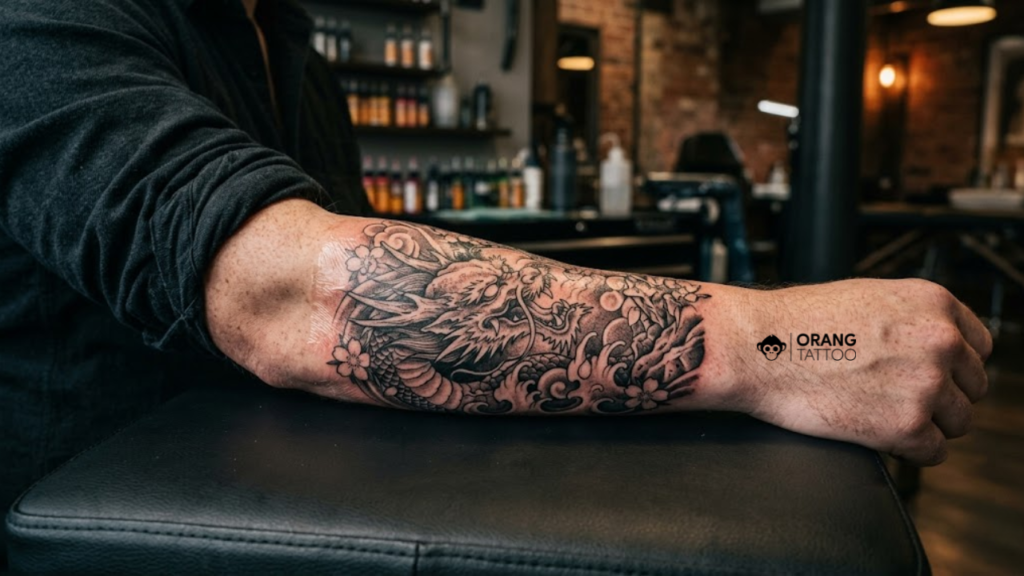
Getting a new tattoo is exciting, but what you do after leaving the studio matters just as much as choosing the right design.
A fresh tattoo is healing skin, so it needs to be treated gently while the skin settles and the tattoo develops its final appearance. Good tattoo aftercare can help keep the area clean, comfortable and looking its best.
Your tattoo artist may give you specific instructions depending on the tattoo, placement and dressing used. Always follow those instructions first.
Here is a simple day-by-day guide to help you understand what you may experience after getting tattooed.
Day 0: The Day You Get Your Tattoo
Your tattoo may look brighter and more intense immediately after the session. The skin around it can also appear slightly red or swollen.
Your artist will usually cover the fresh tattoo with an appropriate dressing and explain when and how to remove or change it.
What to do
- Follow your artist’s instructions about the dressing.
- Wash your hands before touching the tattoo.
- Keep the area clean.
- Avoid unnecessary touching.
- Wear loose, comfortable clothing if the tattoo is in an area that may rub against fabric.
- Follow the studio’s instructions regarding washing and moisturising.
Don’t scratch, rub or pick at the tattoo.
The first few hours are mainly about protecting the fresh tattoo and avoiding unnecessary irritation.
Day 1: Gentle Cleaning
By the first day, your tattoo may still feel tender or warm.
Some redness, swelling, soreness and a small amount of clear fluid can occur as the skin heals. These symptoms should generally settle rather than continually become worse.
Your tattoo aftercare routine
Wash your hands before touching the tattoo.
Then follow the cleaning instructions provided by your artist. Generally, tattooed skin should be cleaned gently rather than scrubbed.
Use mild, gentle products as recommended by your artist and pat the area dry rather than rubbing it.
If your artist recommends a moisturiser, use a thin layer rather than covering the tattoo with a heavy amount of product.
Days 2–3: Keep It Clean and Leave It Alone
Your tattoo may still look slightly irritated during these days.
This is the stage where many people make the mistake of constantly checking, touching or washing their tattoo.
You don’t need to keep touching it to see whether it is healing.
Continue following your artist’s cleaning and moisturising instructions and allow your skin to recover.
Avoid
- Scratching
- Picking
- Rubbing
- Tight clothing over the tattoo
- Unnecessary touching
- Applying random products recommended by friends or social media
If you notice that redness or pain is getting worse instead of improving, pay attention and seek professional medical advice if needed.
Days 4–7: Itching and Flaking May Begin
This is often the stage when your tattoo starts becoming itchy.
You may also notice some dryness, flaking or small scabs.
Don’t scratch or peel the skin.
It can be tempting, especially when the tattoo starts looking dry, but picking at healing skin can interfere with the healing process.
Continue gentle cleaning and use the moisturiser recommended by your tattoo artist.
The American Academy of Dermatology recommends using a water-based lotion or cream when tattooed skin feels dry and notes that petroleum-based products can contribute to fading.
Days 7–14: The Peeling Stage
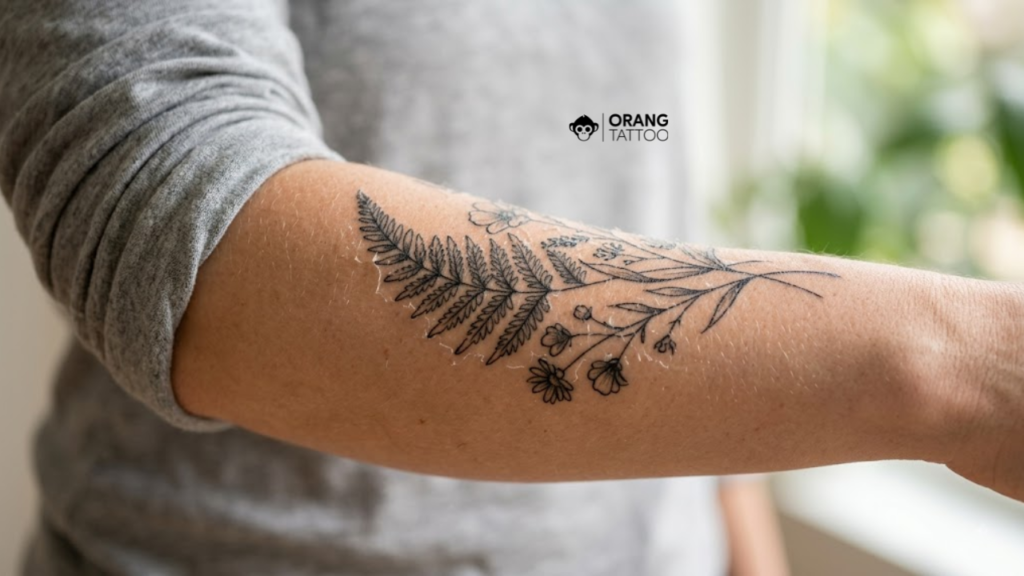
By the second week, many tattoos begin looking less irritated.
The skin may continue to peel or feel slightly dry.
You might also notice that the tattoo doesn’t look as bright as it did immediately after the appointment.
Don’t panic.
A tattoo can look different while the outer layer of skin is healing.
Your job during this stage
Keep following your aftercare routine.
Don’t pull off loose skin.
Don’t scratch.
Don’t aggressively exfoliate the area.
Give your skin time to complete the healing process.
Weeks 2 – 3: Getting Back to Normal
By this stage, the surface of the skin may look much closer to normal.
Your tattoo should gradually settle into the skin, although deeper healing can take longer.
Once the skin has healed, sun protection becomes especially important.
UV exposure can fade tattoo ink over time. The American Academy of Dermatology recommends broad-spectrum, water-resistant sunscreen with SPF 30 or higher on healed tattooed skin.
What Should You Avoid During Tattoo Healing?
Your tattoo artist may give you specific restrictions depending on your tattoo. In general, avoid anything that unnecessarily irritates the healing area.
Don’t scratch
Itching can be part of normal healing, but scratching can irritate the skin.
Don’t pick the peeling skin
Let the skin come away naturally.
Don’t over-moisturise
More product doesn’t necessarily mean better healing. Follow the amount recommended by your artist.
Don’t expose a fresh tattoo unnecessarily to the sun
UV exposure can affect tattoo ink and irritate healing skin. Once healed, regular SPF 30+ protection can help protect the tattoo from fading.
Don’t use random products
Avoid experimenting with products just because someone online recommended them. If you’re unsure about a product, ask your tattoo artist or a healthcare professional.
How Do You Know If Your Tattoo Is Healing Normally?
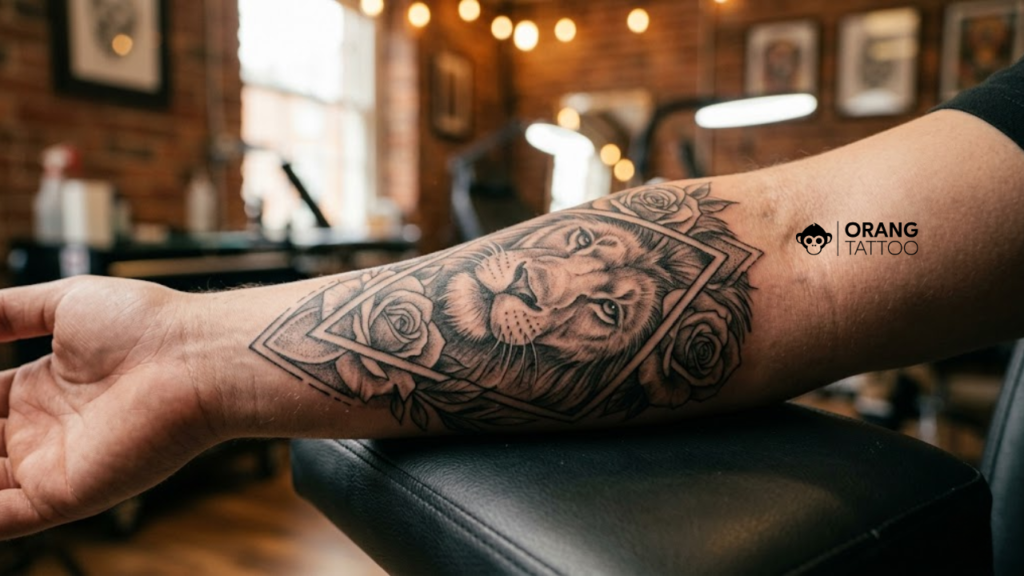
Normal healing can include some redness, swelling, soreness, clear fluid, itching, flaking and scabbing. These should generally improve as the tattoo heals.
Every person’s skin heals differently, so don’t compare your tattoo too closely with someone else’s.
The important thing is the overall direction: your skin should generally be settling, not getting progressively worse.
When Should You Contact a Doctor?
Be aware of signs that may indicate an infection or significant skin reaction.
Seek medical advice if you notice symptoms such as:
- Redness that becomes darker or spreads
- Pain that continues or gets worse
- Increasing swelling or warmth
- Pus or unusual drainage
- Fever or chills
- A painful or worsening rash
- Open sores
- Significant or persistent skin changes
These symptoms can require medical assessment. The American Academy of Dermatology recommends seeing a doctor or board-certified dermatologist promptly if you have signs of infection.
If you experience a serious reaction such as difficulty breathing, intense swelling, severe pain, dizziness or widespread hives, seek immediate medical care.
How to Keep Your Tattoo Looking Good After It Heals
Tattoo aftercare doesn’t completely end once the peeling stops.
Your skin and tattoo will continue to age, so protecting the tattoo over the long term is important.
Protect it from the sun
UV exposure can fade tattoo pigments. Once your tattoo is healed, use a broad-spectrum, water-resistant SPF 30 or higher when the tattoo will be exposed to sunlight.
Keep your skin moisturised
Healthy-looking skin can help your tattoo continue looking vibrant.
Don’t constantly exfoliate
Aggressive treatment can irritate your skin and isn’t necessary for maintaining a tattoo.
Final Thoughts
At Orang Tattoo Studio, Getting a tattoo doesn’t end when you leave the studio.
The first few weeks are about giving your skin the time and care it needs to heal.
Keep your new tattoo clean, avoid scratching and picking, follow the aftercare instructions provided by your tattoo artist, and pay attention to anything that seems to be getting worse rather than better.
And remember: there isn’t one universal aftercare routine for every tattoo. Your artist may recommend different instructions depending on the tattoo, placement, dressing and your skin.
If you’re unsure about how your tattoo is healing, it’s always better to ask a professional rather than guessing.